
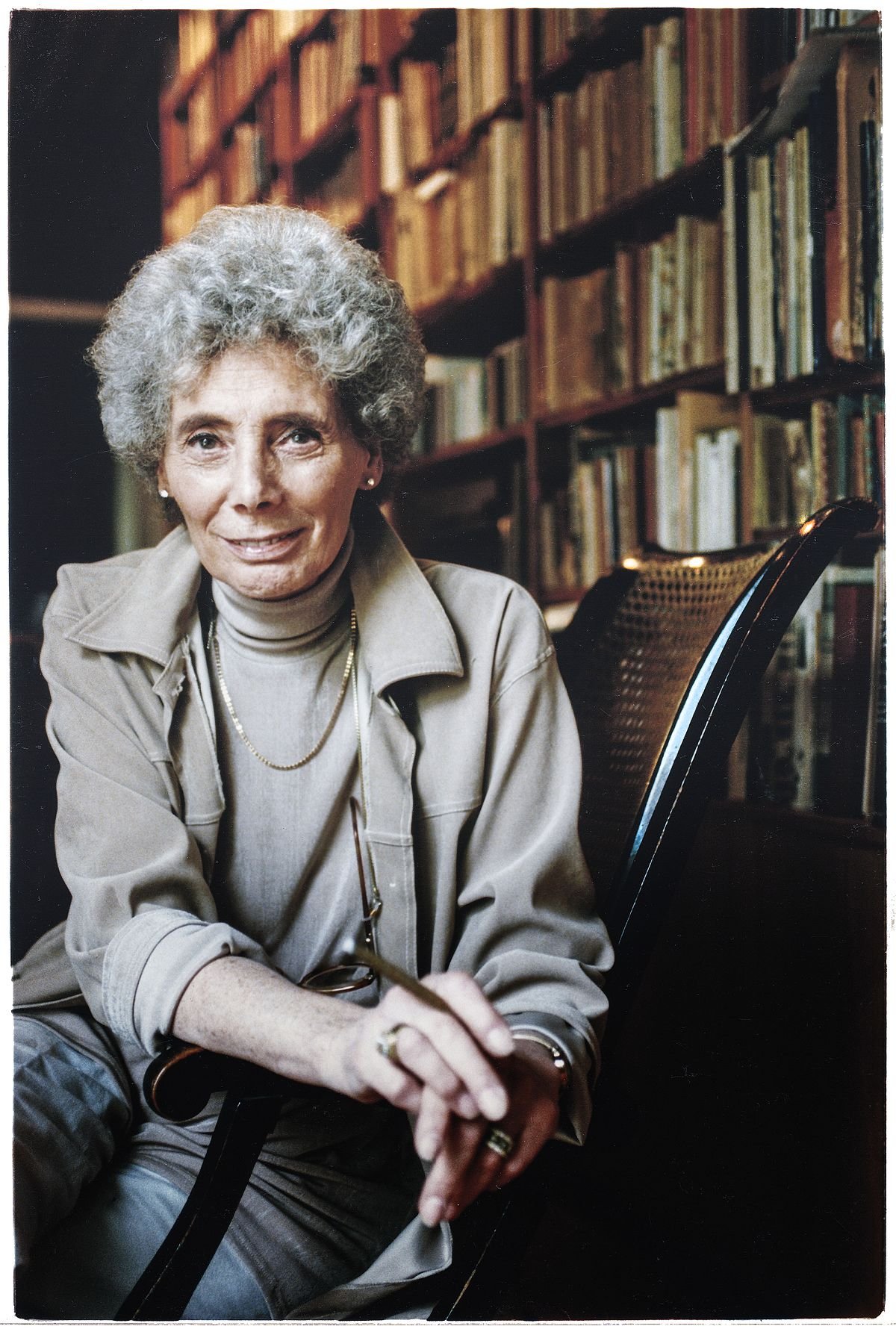
JACQUELINE HARPMAN
Jacqueline Harpman was born in Etterbeek, Belgium, in 1929. Her family fled to Casablanca when the Nazis invaded, and only returned home after the war. After studying French literature she started training to be a doctor, but could not complete her training due to contracting tuberculosis. She turned to writing in 1954 and her first work was published in 1958. In 1980 she qualified as a psychoanalyst. Harpman wrote over 15 novels and won numerous literary prizes, including the Prix Médicis for Orlanda. I Who Have Never Known Men was her first novel to be translated into English, and was originally published with the title The Mistress of Silence. Harpman died in 2012.
Titles by JACQUELINE HARPMAN

Jacqueline Harpman
Translated from the French by Ros Schwartz
With an afterword by Sophie Mackintosh
Deep underground, thirty-nine women live imprisoned in a cage. Watched over by guards, the women have no memory of how they got there, no notion of time, and only a vague recollection of their lives before.
As the burn of electric light merges day into night and numberless years pass, a young girl—the fortieth prisoner—sits alone and outcast in the corner. Soon she will show herself to be the key to the others’ escape and survival in the strange world that awaits them above ground.
Jacqueline Harpman was born in Etterbeek, Belgium, in 1929, and fled to Casablanca with her family during WWII. Informed by her background as a psychoanalyst and her youth in exile, I Who Have Never Known Men is a haunting, heartbreaking post-apocalyptic novel of female friendship and intimacy, and the lengths people will go to maintain their humanity in the face of devastation. Back in print for the first time since 1997, Harpman’s modern classic is an important addition to the growing canon of feminist speculative literature.
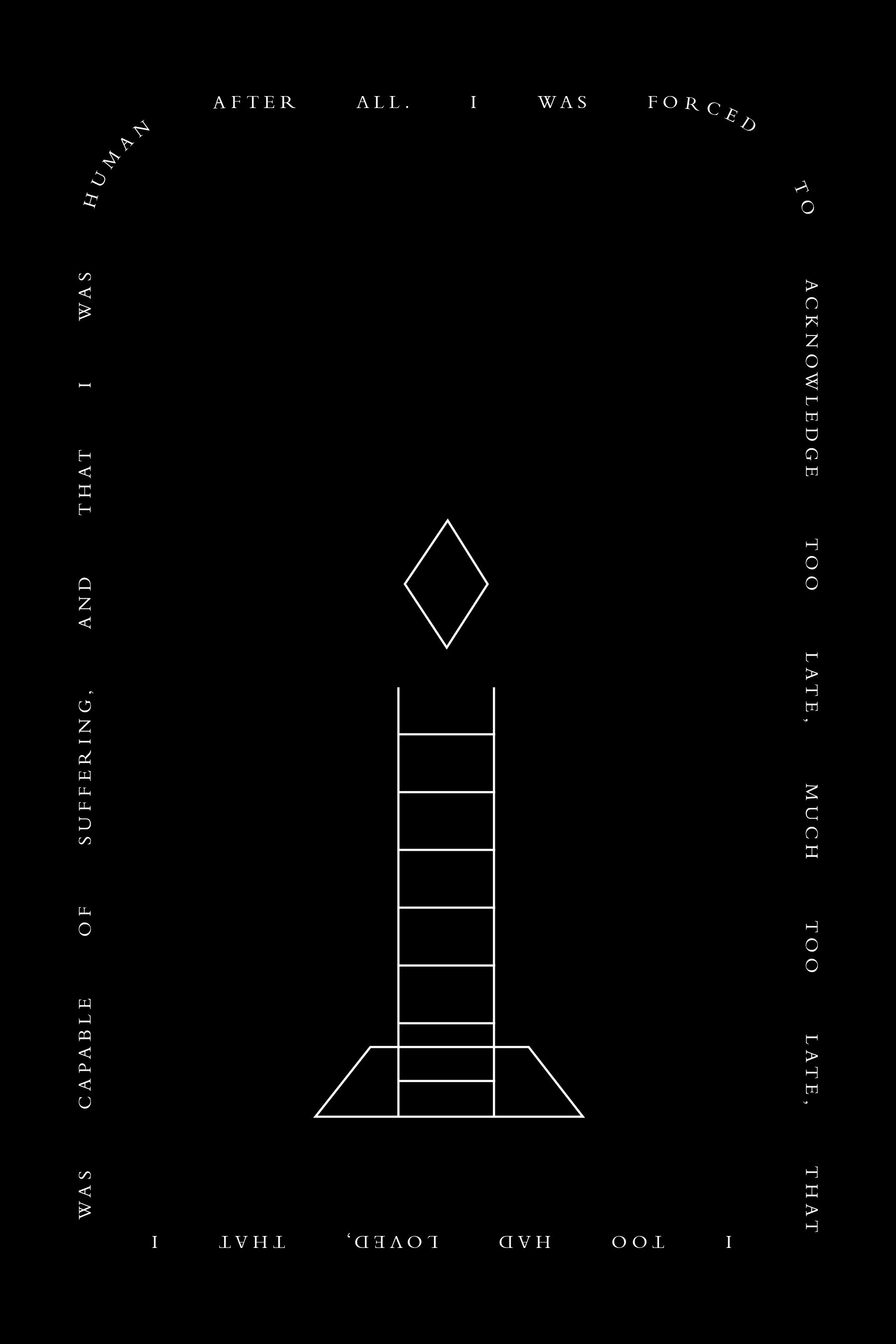
Jacqueline Harpman
Translated from the French by Ros Schwartz
The runaway bestseller, now available in a special collector’s edition, with a new introduction from Carmen Maria Machado.
Deep underground, thirty-nine women live imprisoned in a cage. Watched over by guards, the women have no memory of how they got there, no notion of time, and only a vague recollection of their lives before.
As the burn of electric light merges day into night and numberless years pass, a young girl—the fortieth prisoner—sits alone and outcast in the corner. Soon she will show herself to be the key to the others' escape and survival in the strange world that awaits them above ground.
Jacqueline Harpman was born in Etterbeek, Belgium, in 1929, and fled to Casablanca with her family during WWII. Informed by her background as a psychoanalyst and her youth in exile, I Who Have Never Known Men is a haunting, heartbreaking post-apocalyptic novel of female friendship and intimacy, and the lengths people will go to maintain their humanity in the face of devastation. Back in print for the first time since 1997, Harpman’s modern classic is an important addition to the growing canon of feminist speculative literature.
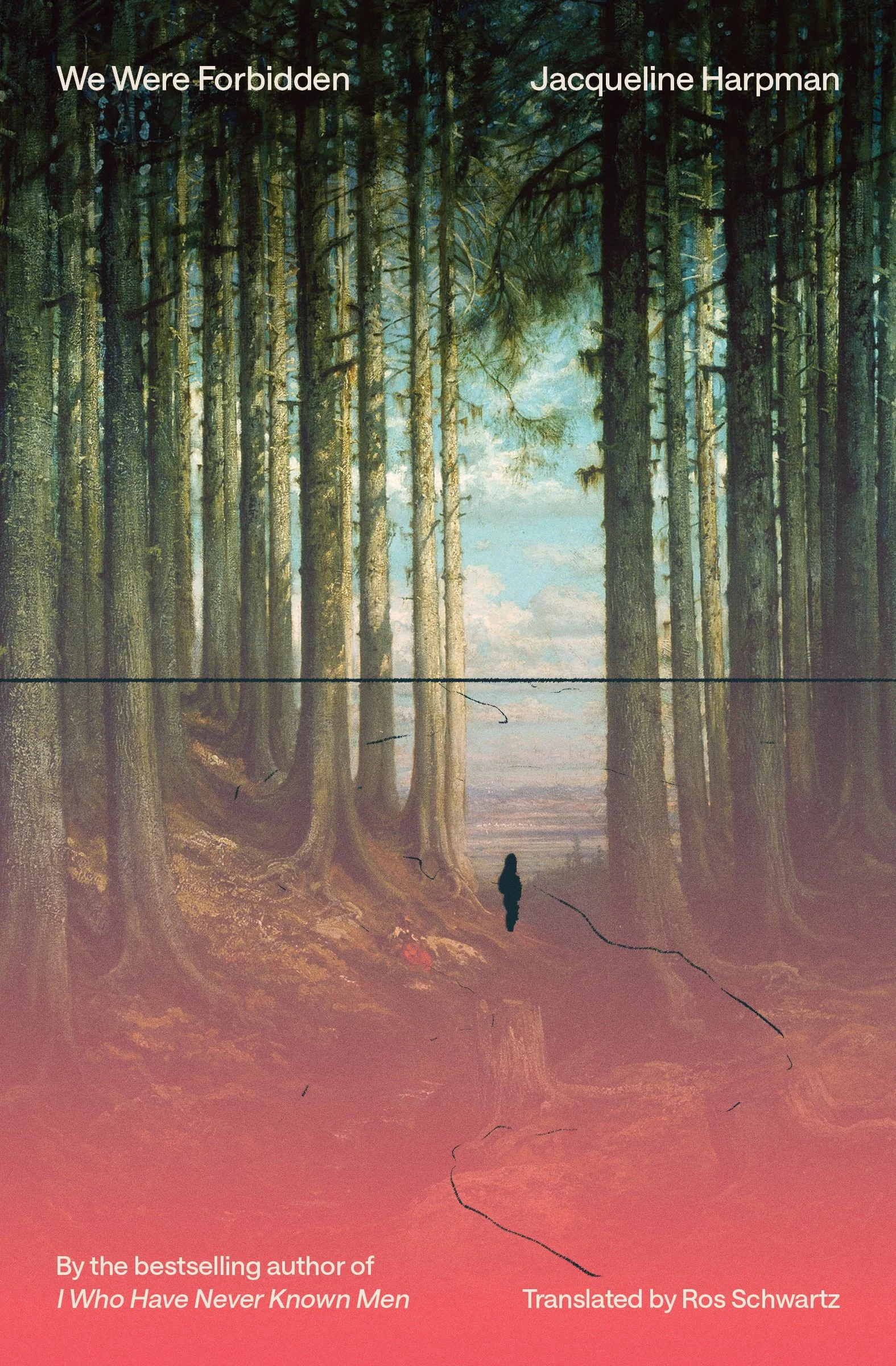
JACQUELINE HARPMAN
Translated by Ros Schwartz
"For readers who first met Harpman via her melancholic digital afterlife, We Were Forbidden will arrive as a revelation."—Katy Waldman, The New Yorker
From the author of I Who Have Never Known Men comes a startling new collection of three never-before-translated stories, each plumbing the depths of that most necessary human instinct: defiance.
In the wake of some unfathomable war, a woman wanders the forest. She and her fellow survivors are forbidden from leaving its boundaries or pausing in their eternal march through its strange depths.
Attending a rigid French school in 1940s Casablanca, a teenage girl is barred from ever questioning the dogma she is taught to believe—her punishment for doing so will be as swift as it is shocking.
Locked in a loveless marriage in the Belgian bourgeoisie, a young woman satisfies her husband's desires, twice-weekly, as required. She has not yet thought to pursue her own.
These novellas—the first work by Jacqueline Harpman to arrive in English in decades—reveal her incredible stylistic range and demonstrate once more her penetrating psychological insight. Here we find the origins of a singular, relentless voice.